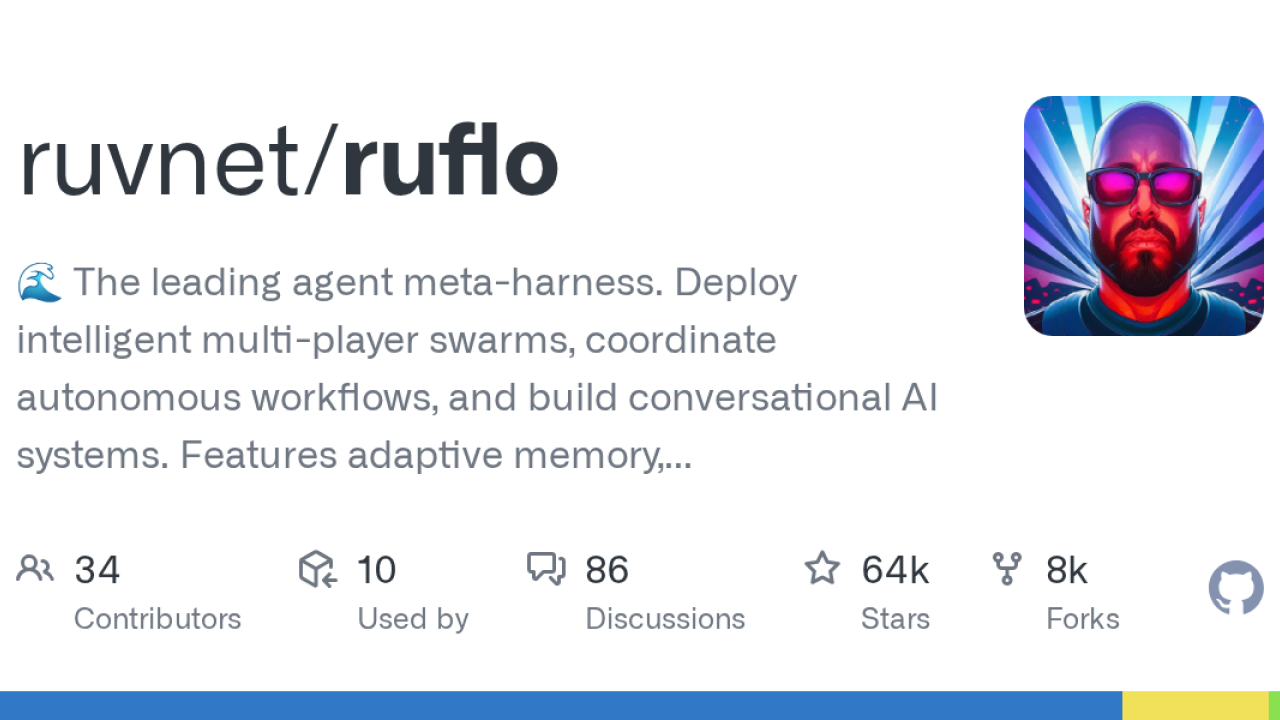
Ruflo field notes: the swarm formerly known as claude-flow
ruvnet's claude-flow is now Ruflo: a ~64k-star 'agent meta-harness' for Claude Code with swarms, vector memory and self-learning. I dug through the README, the hype, and the caveats.
Long-form writing on Drupal, PHP frameworks, AI tooling, automated testing and everything else in a working programmer's stack — shipped from production, not theory.
ruvnet's claude-flow is now Ruflo: a ~64k-star 'agent meta-harness' for Claude Code with swarms, vector memory and self-learning. I dug through the README, the hype, and the caveats.

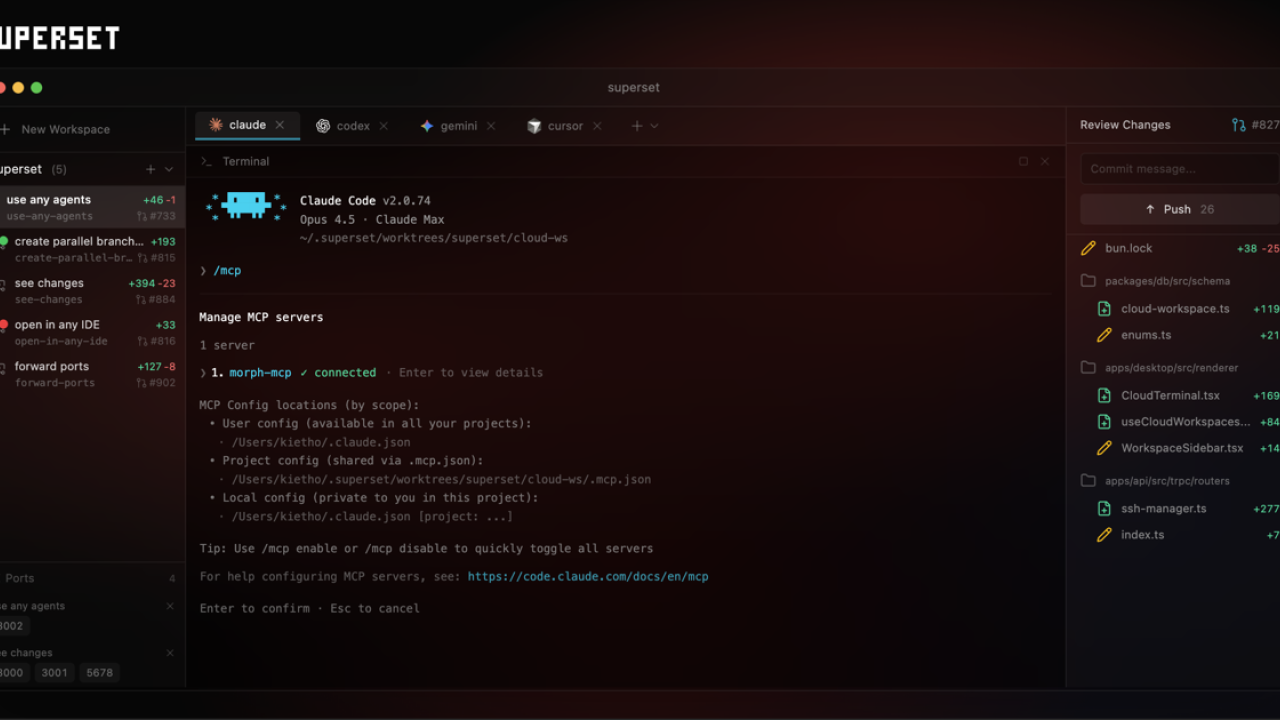
Field notes on Superset.sh — a macOS app that runs Claude Code, Codex and friends in parallel git worktrees. What it does well, what it costs, and where it creaks.
I tried Google Stitch, the free Google Labs tool that turns prompts and sketches into UI designs and frontend code. Where it shines, where it falls flat, and how it compares to v0, Figma Make and Pencil.
Microsoft's new Playwright CLI turns browser automation into plain shell commands for coding agents. What it does, how it differs from MCP, and where the token-saving pitch wobbles.
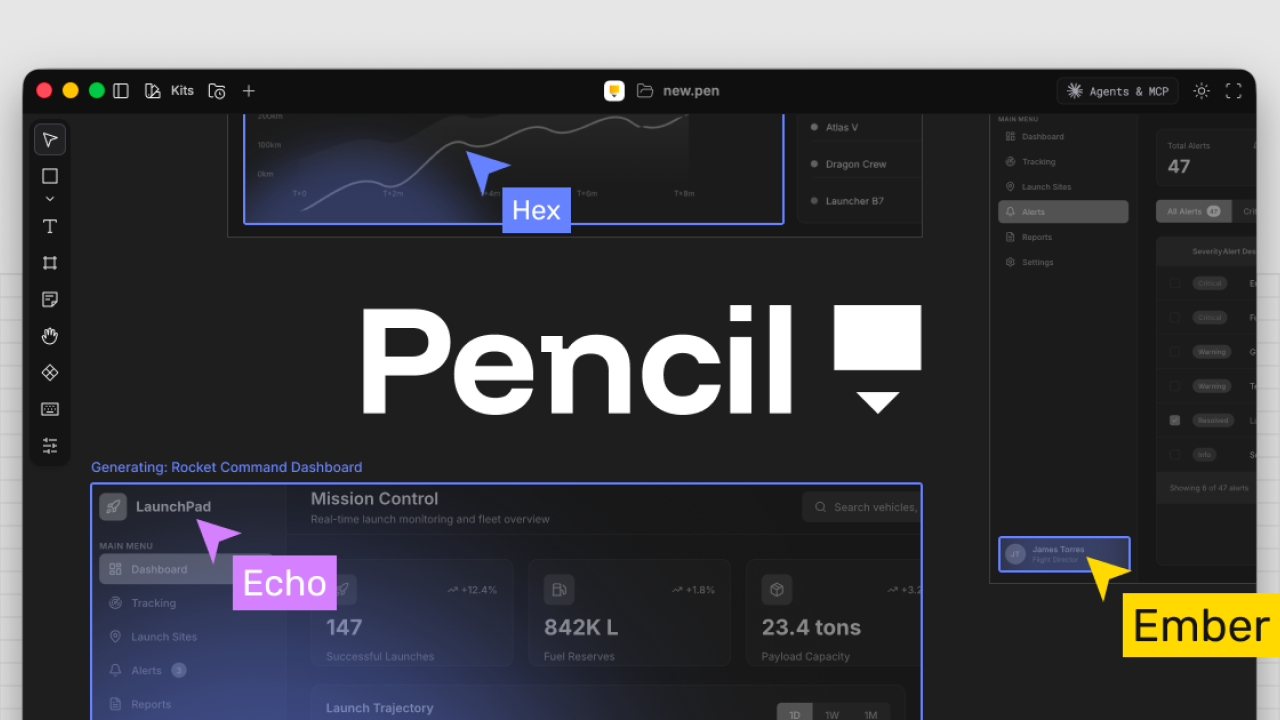
Pencil puts a Figma-style canvas next to your code and lets AI coding agents draw on it through MCP. Field notes on what it is, how it works, and where it's still rough.
OpenClaw became the fastest-growing repo on GitHub: a self-hosted AI agent you drive from WhatsApp. What it does, how to install it, and why security researchers are nervous.
Laravel's official AI SDK wraps a dozen providers in one expressive API, with agents as plain PHP classes and real test fakes. What it does well — and where I'd stay cautious.