
ai
Paperclip: the app that wants to run a company on AI agents
Field notes on paperclipai/paperclip, an open-source Node/React orchestrator for teams of AI agents. What it does, how it runs, and where the 'zero-human company' pitch cracks.
Field notes on paperclipai/paperclip, an open-source Node/React orchestrator for teams of AI agents. What it does, how it runs, and where the 'zero-human company' pitch cracks.
Field notes on fathah/hermes-desktop, an Electron front-end for the Hermes Agent. What it does, the tech stack, and the caveats before you install it.
The caveman skill makes your AI agent talk like a caveman to save tokens. I dug into what it does, how Agent Skills work, and whether the 65% claim survives contact with reality.
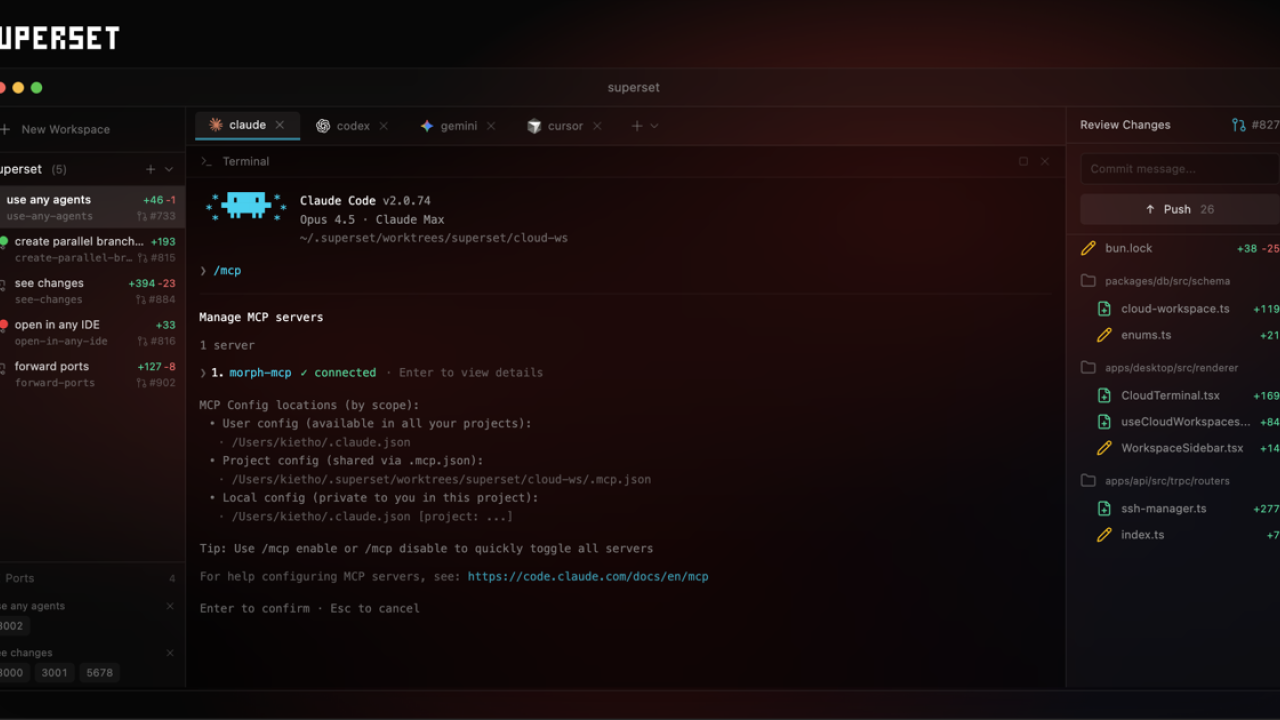
Field notes on Superset.sh — a macOS app that runs Claude Code, Codex and friends in parallel git worktrees. What it does well, what it costs, and where it creaks.
ruvnet's claude-flow is now Ruflo: a ~64k-star 'agent meta-harness' for Claude Code with swarms, vector memory and self-learning. I dug through the README, the hype, and the caveats.
I tried Google Stitch, the free Google Labs tool that turns prompts and sketches into UI designs and frontend code. Where it shines, where it falls flat, and how it compares to v0, Figma Make and Pencil.
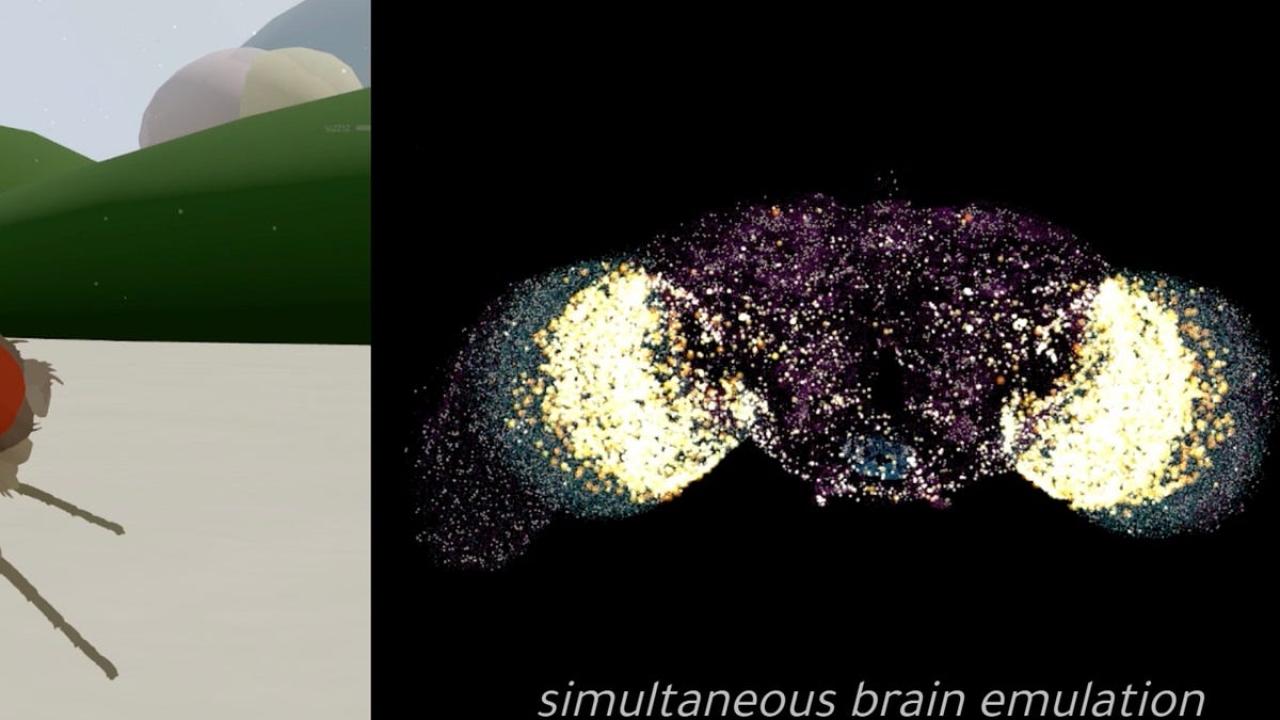
An essay claims the first "multi-behavior brain upload." I dug into what is real, what is hype, and why a simulated fly still made me stop scrolling.
Microsoft's new Playwright CLI turns browser automation into plain shell commands for coding agents. What it does, how it differs from MCP, and where the token-saving pitch wobbles.
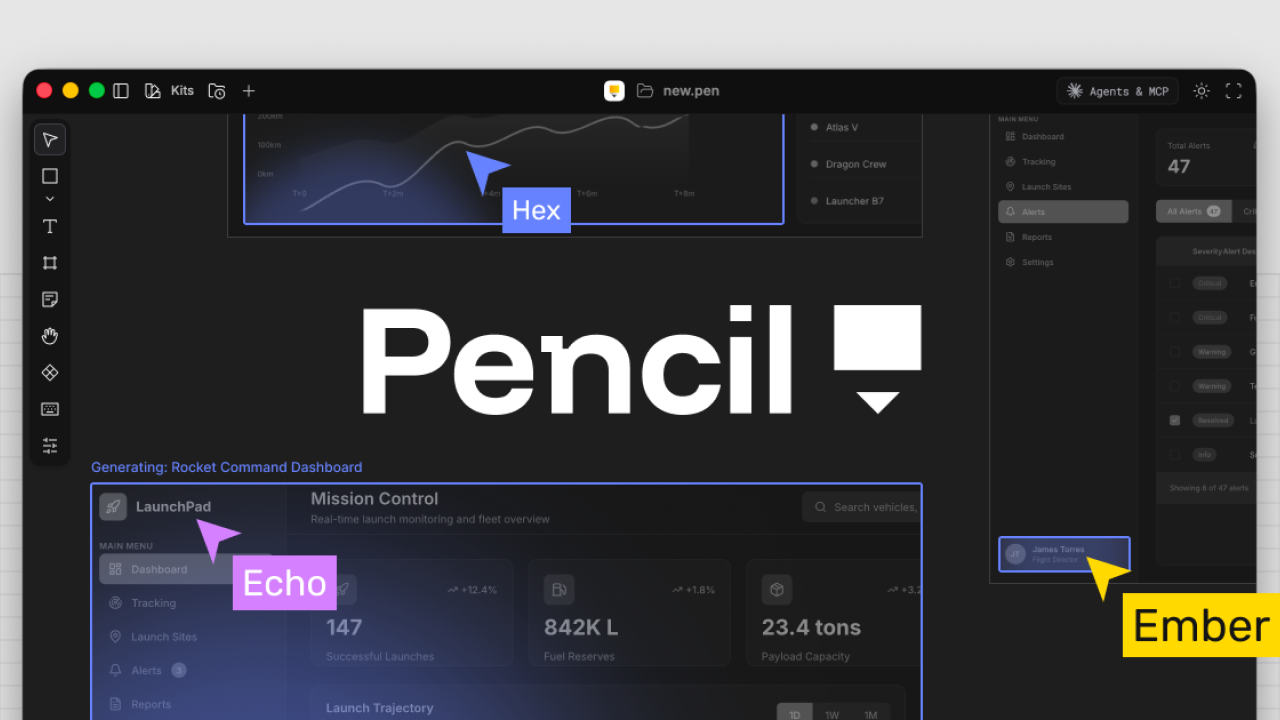
Pencil puts a Figma-style canvas next to your code and lets AI coding agents draw on it through MCP. Field notes on what it is, how it works, and where it's still rough.
OpenClaw became the fastest-growing repo on GitHub: a self-hosted AI agent you drive from WhatsApp. What it does, how to install it, and why security researchers are nervous.